Six Days Out — Set Your Expectations Now
ELDEN RING NIGHTREIGN launches on May 30, 2026. It already has a Metacritic score of 79 — pre-scored ahead of release. For a FromSoftware title, that number is notable. For context: Elden Ring scored 97. Sekiro scored 90.
That doesn't make Nightreign a bad game. But it does mean this is a different kind of FromSoftware release, and understanding what it actually is — before you spend $49.99 — matters.
This guide covers everything you need to know to make a confident buy-or-skip decision.
What Is Nightreign? (Start Here)
The most important thing first: this is not Elden Ring 2.
ELDEN RING NIGHTREIGN is a standalone spinoff. It is not a sequel, expansion, or DLC. It is set in the Elden Ring universe but tells a separate story. You do not need to own Elden Ring to play it. The narrative does not pick up where Elden Ring left off.
FromSoftware took the combat engine, art direction, and world of Elden Ring and rebuilt the game structure entirely around a 3-player co-op roguelite format. That is the product: not Elden Ring in a new coat, but a fundamentally different game wearing Elden Ring's clothes.
Key info at a glance:
- ▶Developer: FromSoftware | Publisher: Bandai Namco
- ▶Release date: May 30, 2026
- ▶Price: ~$49.99
- ▶Platforms: PC (Steam), PS5, Xbox Series X|S
- ▶Metacritic: 79
- ▶Genre: 3-player co-op action roguelite
How Is It Different from Elden Ring?
This is the central question. Here's what changed:
Structure: Open World → Roguelite Runs
Elden Ring was a massive open world you explored at your own pace. Character progression was persistent. Death set you back but didn't reset the world.
Nightreign is a roguelite. Each run lasts approximately 1–2 hours. Maps are procedurally generated — terrain layout, enemy placement, and item drops change every time. When the run ends, progress resets and the next run begins fresh. This is not a world you slowly master over 80 hours of exploration. It's a game of short, intense sessions you repeat.
Player Count: Solo RPG → 3-Player Co-op
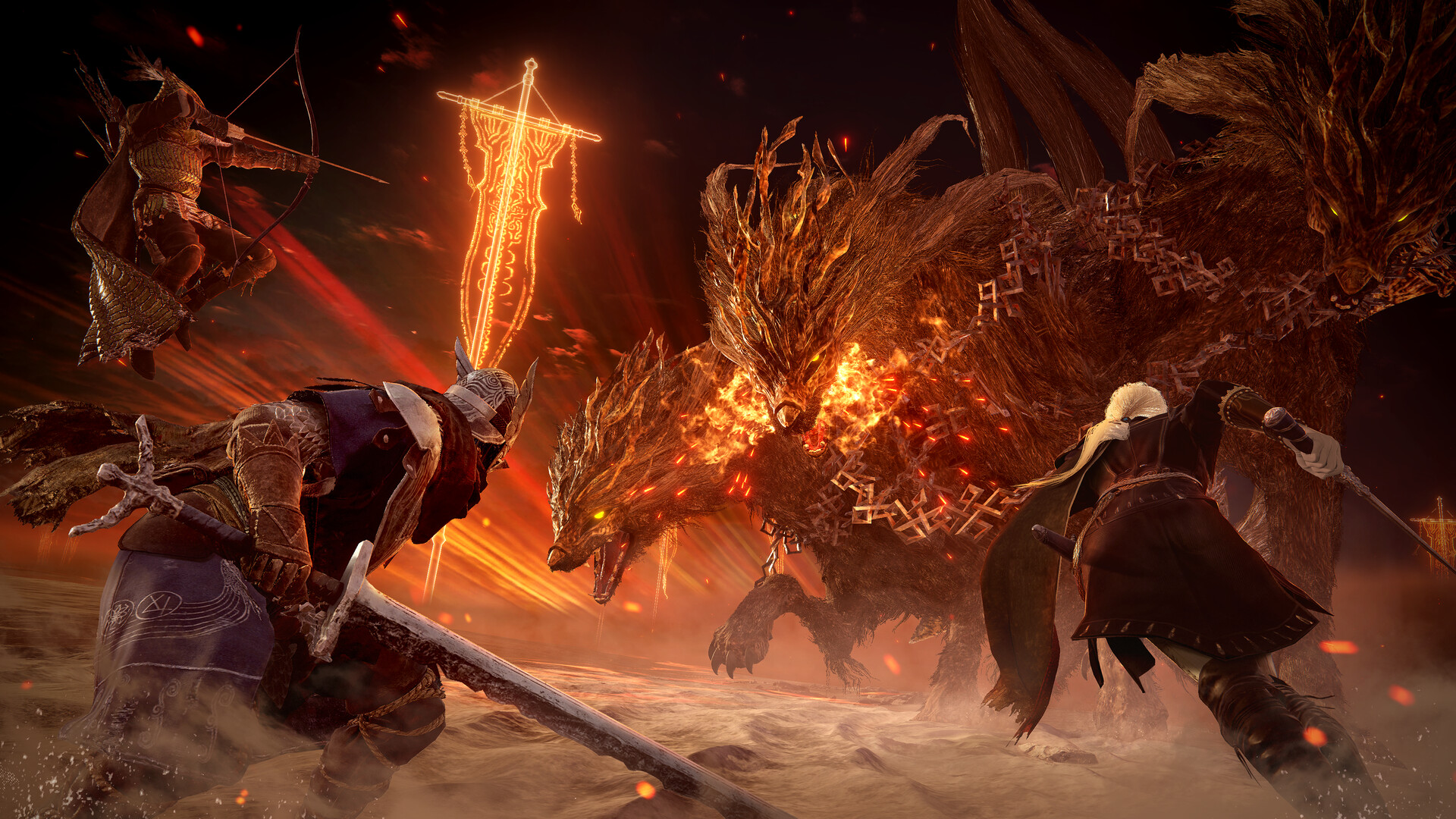
Elden Ring had co-op mechanics as a side feature. Nightreign is built around 3-player co-op as the primary design. Three players drop into a shared map, fight through enemies and mini-bosses, and must defeat a final boss together before the danger zone closes in. The game's encounter design assumes a team of three.
Solo is supported. It is not where the game is at its best. The Metacritic score of 79 reflects, in significant part, the solo experience being notably weaker than the intended co-op mode.
The Map: Persistent Exploration → Shrinking Zone
Think battle royale safe zone mechanics. As a run progresses, a danger boundary closes in, forcing players together and preventing indefinite exploration. You have limited time to gather resources and prepare before the final boss window opens. Knowing which areas to prioritize in the time available becomes a learnable skill.
Character Building: Free Customization → Nightfarer Selection
In Elden Ring, you built your character from scratch — choosing starting class, distributing stats, selecting gear across a massive item pool. In Nightreign, you select a Nightfarer: one of eight predefined characters, each with unique abilities, passives, and a combat identity. The within-run building comes from gear and skill choices, but you start from a defined archetype.
What Carries Over from Elden Ring?
The differences are significant, but Nightreign is still unmistakably a FromSoftware game.
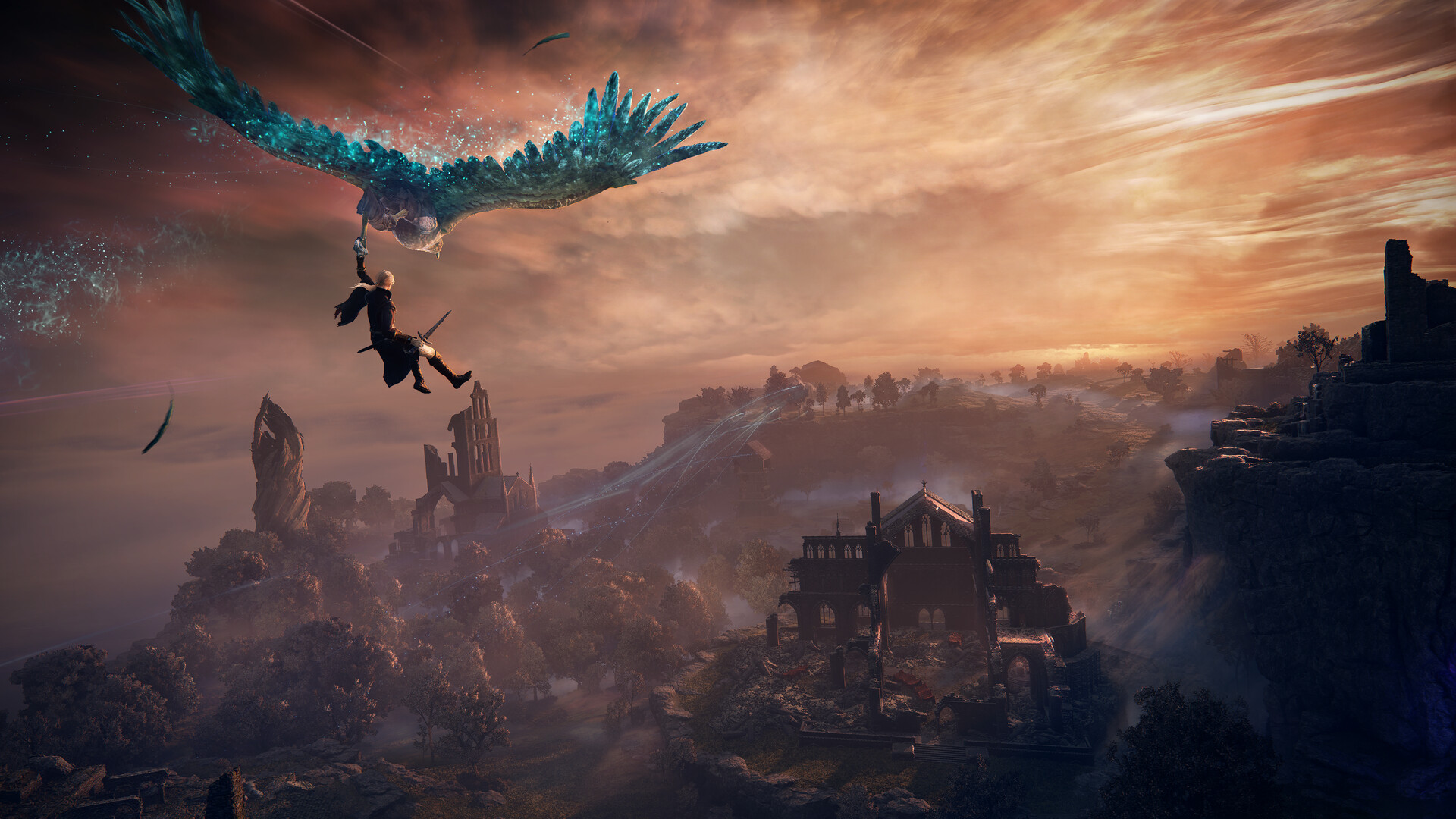
Art direction and world: Familiar Elden Ring landscapes — including altered versions of Limgrave — appear in darkened, parallel-dimension forms. Veterans will recognize the geography and find environmental lore to dig into. New players will find a cohesive and visually distinctive world.
Combat feel: The roll, guard, parry, and weapon move-set language of Elden Ring is intact. Attacks have the same deliberate weight. Enemy telegraphing, stamina management, and positional awareness remain central. If you loved how Elden Ring's combat felt, that's preserved.
Enemy archetypes: Creatures from Elden Ring return in new configurations. There's a recognizable visual and behavioral vocabulary even in novel enemy forms.
Lore fragments: Without a direct story connection, world-building is delivered through environmental detail and item descriptions — the standard FromSoftware method. Series veterans who enjoy reading every tooltip will find material here.
Reading the Metacritic 79
Is 79 good? It depends on the frame.
Compared to FromSoftware's catalog, it's low. But as an absolute score, 79 means critics found it a good game with clear limitations. The recurring themes across reviews:
- ▶Solo experience is significantly weaker than the intended 3-player format
- ▶The departure from mainline Elden Ring design disappointed players expecting continuity
- ▶Roguelite structure is a hard requirement — players who dislike the format won't be converted by this game
The divergence between Metacritic and Steam user scores on the original Nightreign tells the story: players who approached it as a co-op roguelite with friends tended to rate it substantially higher. Players who expected a soulslike single-player experience were disappointed.
At MC 79, this is a game worth buying for the right player — not a universal recommendation.
📸 Screenshots
The Eight Nightfarers: Class Archetypes
Nightreign launches with eight Nightfarers — distinct playable characters with different roles in a three-person team. Here's how the archetypes break down:
Melee Tank: High health, strong defenses, designed to hold enemy attention and take hits while teammates operate safely. Effective against aggressive bosses that require a dedicated frontline.
Fast Striker: High mobility, rapid attack chains, built to exploit openings and weak points. Lower health means they need team coverage, but the damage output rewards aggressive play.
Ranged / Magic: Maintains distance while accumulating damage through spells or projectile-based weapons. Consistent damage from safe positioning — dependent on teammates engaging in melee.
Support / Healer: Specializes in restoring teammate health, providing buffs, and enhancing equipment. The weakest solo archetype by a significant margin, but in a coordinated three-person team, a support character measurably raises the group's survival rate and clear speed.
Team composition significantly affects outcome. Running three melee characters without a support presence will create problems against sustained boss fights. Discussing roles before queuing is worth the 30 seconds it takes.
PC Technical Notes
Nightreign requires DirectX 12 and a capable modern PC. Windows 10 or 11 (64-bit) is required. Integrated graphics are not supported.
FromSoftware's physics engine has historically been tied to framerate, resulting in 60fps caps on PC. If you play on a high-refresh-rate monitor and a locked 60fps is a dealbreaker, factor that in before purchasing. There has been no official announcement of a framerate unlock.
Online co-op requires a stable internet connection. The game uses a host-client model, so network quality on the host's side affects the experience for all players in the session.
Pre-Launch Checklist
Six days out — here's how to prepare:
Before launch day:
- ▶[ ] Confirm you have two friends willing to commit to regular sessions — this is the single most important factor for enjoyment
- ▶[ ] Add to wishlist / purchase when ready; pre-load when available
- ▶[ ] If you've never played Elden Ring, a brief look at the world overview is optional but adds context
On launch day:
- ▶[ ] Use a controller — Nightreign's combat is optimized for gamepad input
- ▶[ ] In your first few runs, try different Nightfarers before committing to a main
- ▶[ ] Coordinate roles with your team before queuing (tank / damage / support)
- ▶[ ] Expect the first few runs to be losses — learning the map and boss patterns is the early-game progression
Should You Buy It? An Honest Assessment
Buy It If:
- ▶You have two friends ready to play and you can coordinate sessions regularly
- ▶You enjoy roguelite games (Hades, Dead Cells, Returnal) and want a FromSoftware version
- ▶You're invested in the Elden Ring world and want to spend more time in it
- ▶Short, high-intensity sessions (1–2 hours) suit your schedule better than 80-hour campaigns
Skip or Wait If:
- ▶You're a solo player — the experience is meaningfully diminished without a full team
- ▶You want a soulslike single-player adventure in the tradition of Elden Ring, Dark Souls, or Sekiro — this is not that game
- ▶Roguelite repetition doesn't appeal to you — this structure is not optional, it's the entire game
- ▶MC 79 gives you pause — a seasonal sale would be a reasonable time to revisit
- ▶$49.99 feels steep given the score — the price-to-value case is weaker for solo players
Key caveat: Nightreign is a roguelite at its core. If the idea of repeated runs with randomized conditions doesn't excite you, nothing else about this game will overcome that friction. Establish honestly whether you enjoy the format before purchasing.
For first-time runs: Don't panic-buy items. The map shrinks on a timer, which creates pressure, but the biggest early mistake is rushing the final boss before your team is ready. Communicate with teammates before engaging.
Bottom Line
Elden Ring Nightreign is a real experiment from FromSoftware — an attempt to take their combat system somewhere it has never been and see if it works as a co-op roguelite. The result is a game that genuinely succeeds on those terms when played with a coordinated team of three, and falls noticeably short when played as anything else.
Metacritic 79 is a fair score for an incomplete picture. Add two good co-op partners and the experience is considerably better than that number suggests. Play solo and it may feel worse.
This is not a universally recommended release the way Elden Ring was. It's a game for a specific kind of player. If that player sounds like you — especially if you have a standing group of three who plays together regularly — May 30 is a date worth marking.
Launch date: May 30, 2026 | Price: ~$49.99